Marine Iguana
Reptile
Special nasal glands expel excess salt after underwater feeding.
- Habitat
- Rocky volcanic coasts
- Diet
- Marine algae
- Fun Fact
- Special nasal glands expel excess salt after underwater feeding.
Tool-First Ocean Discovery
Use this random sea animal generator to discover real ocean species, learn random sea animal facts, or find a random sea animal to draw. Generate 1, 5, or 10 results and filter by animal type.
Choose sea animal types
All Sea AnimalsAll Sea Animals is selected. Choose a type to narrow your next result, or keep the full ocean mix.
How many animals?
Generated Results

Reptile
Special nasal glands expel excess salt after underwater feeding.
A random sea animal generator is an online tool that picks a real ocean species from a curated collection of marine animals. Each result includes the species name, a picture, habitat, diet, size, and a quick fact, so you can use it right away for learning, drawing, games, or creative writing.
Whether you call it an ocean animal generator, a marine animal generator, a sea creature generator, or an aquatic animal generator, the idea is the same: discover a new sea animal in seconds instead of scrolling through lists. Because every species is real and clearly described, it also works well as a random marine animal picker for classrooms and research prompts.
Ocean discovery, made practical
Start with one animal when you need a quick prompt, or generate 5 or 10 when a class, family, or team needs choices. Every result gives you a real species plus a picture, habitat, diet, and a fact to use immediately.
Combine the generator with the type guide below to focus on the ocean animals that match your lesson, game, or sketchbook.
Use the filters when the theme matters. Sharks and rays work well for movement and predator-prey topics; marine mammals help with breathing and migration; mollusks and crustaceans make useful body-plan comparisons; seabirds and reptiles connect ocean life to nesting and shore habitats.
If you are not sure which group fits, leave every filter clear. The generator will draw from the full collection, giving you a broader mix of fish, mammals, reptiles, invertebrates, and seabirds.
For lessons: generate five animals, then ask learners to sort them by diet, body covering, habitat, or how they move. The cards provide enough information to begin a comparison without pretending to replace a full reference.
For drawing: use one species as a focused subject, then add its habitat or adaptation to make the prompt more specific. For a timed, structured exercise, try the Random Animal Generator for Drawing.
For games: use the name for charades or a quiz, then reveal the habitat, diet, and fact as clues. Continue with Common Octopus facts or Emperor Penguin facts when a result sparks a deeper question.
Use the generator to discover real ocean species for curiosity, drawing prompts, classroom activities, games, and creative writing. For land animals and pets, try the Random Animal Generator; for cows, chickens, horses, and other livestock, use the Random Farm Animal Generator.
Jump to a group below to see which real ocean animals it covers, or use the filters at the top of the generator to draw only from that type.
Fish with skeletons mainly made of bone.
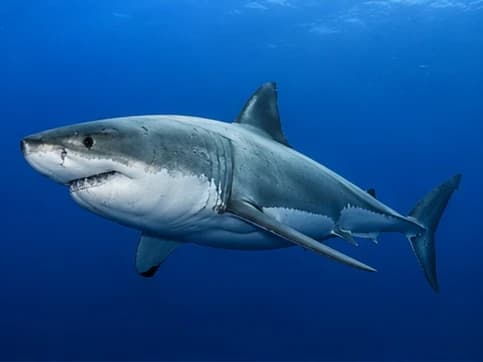
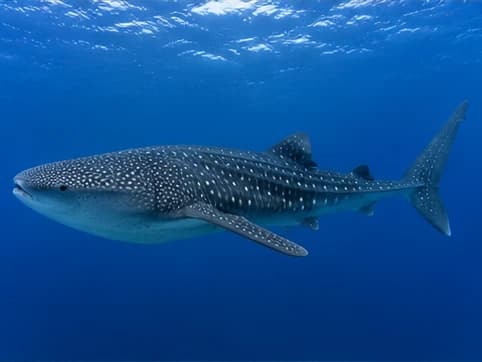
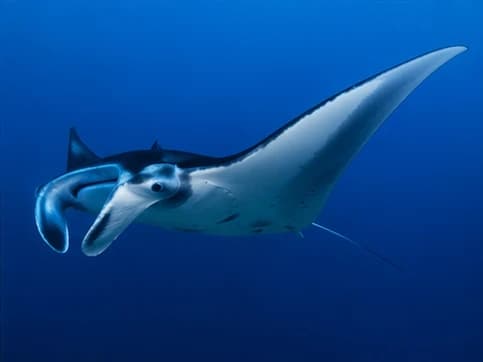
Cartilaginous fish including sharks, skates, and rays.
Air-breathing mammals adapted to ocean life.
Octopuses, squid, shellfish, and their relatives.
Crabs, lobsters, shrimp, krill, and relatives.
Jellyfish, corals, and sea anemones.
Sea stars, sea urchins, and sea cucumbers.
Sea turtles, sea snakes, and marine iguanas.
Birds that depend strongly on marine ecosystems.
Sponges, worms, tunicates, and other ocean invertebrates.
Fish with skeletons mainly made of bone.
Bony fish have skeletons made mostly of bone and make up the largest share of ocean fish species. They range from small reef fish and schooling tuna to deep-sea anglerfish, and many use specialized fins, gills, and swim bladders to thrive in marine habitats.
Air-breathing mammals adapted to ocean life.
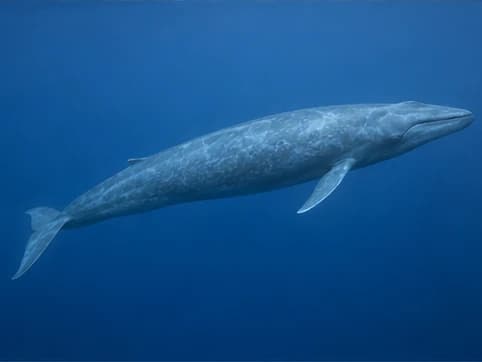
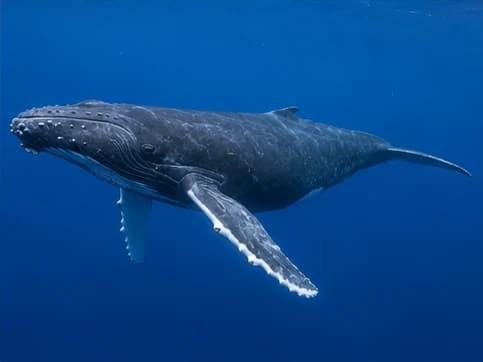
Marine mammals breathe air, feed their young with milk, and stay warm-blooded even in the ocean. Whales, dolphins, seals, and sea otters are examples, and someβlike the blue whale and humpback whaleβmake some of the longest migrations in the animal kingdom.
Octopuses, squid, shellfish, and their relatives.
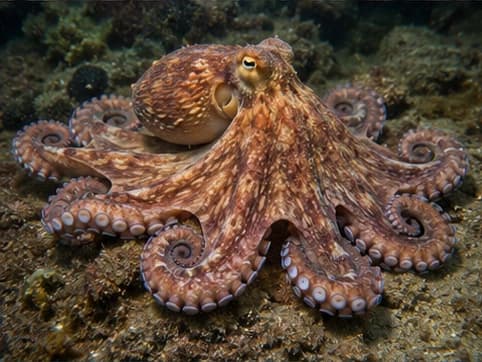
Mollusks include octopuses, squid, cuttlefish, shellfish, and many other soft-bodied animals, often with a shell or a reduced internal shell. The common octopus is a well-known example, famous for camouflage and problem solving.
Crabs, lobsters, shrimp, krill, and relatives.
Crustaceans are hard-shelled invertebrates with jointed limbs, including crabs, lobsters, shrimp, and krill. Some, like the Japanese spider crab, reach enormous leg spans, while others form the foundation of many marine food webs.
Jellyfish, corals, and sea anemones.
Cnidarians are simple marine animals that include jellyfish, corals, and sea anemones. Many use stinging cells to capture prey, and the coral reefs these animals build support a large share of marine biodiversity.
Sea stars, sea urchins, and sea cucumbers.
Echinoderms are ocean invertebrates with five-point radial symmetry, such as sea stars, sea urchins, and sea cucumbers. They move slowly across the seabed and play important roles in reef and coastal ecosystems.
Sea turtles, sea snakes, and marine iguanas.
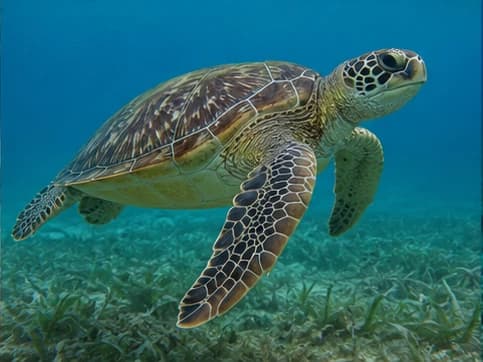
Marine reptiles are cold-blooded animals that spend much of their life in the sea, including sea turtles, sea snakes, and marine iguanas. Sea turtles like the loggerhead travel thousands of kilometers between feeding and nesting areas.
Birds that depend strongly on marine ecosystems.
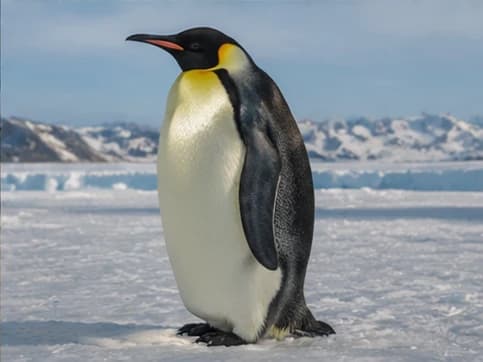
Seabirds are birds that depend on marine environments for food and nesting, including penguins, gulls, auks, and albatrosses. The emperor penguin, which breeds on Antarctic sea ice, is one of the most extreme examples.
Sponges, worms, tunicates, and other ocean invertebrates.
Other marine invertebrates cover the many ocean animals that do not fit the main groups, such as sponges, marine worms, and tunicates. These creatures often act as filter feeders and provide shelter and habitat for other marine life.
Some of the most common and fascinating ocean animals people look for, with in-depth fact pages where they exist.
Every generated result includes a real species name, habitat, diet, size, and a quick fact. Generate one animal for a focused drawing prompt, or choose 5 or 10 animals to build a marine sketch list or comparison activity.
This page focuses on real animals that depend on marine habitats. It includes ocean fish, marine mammals, seabirds, reptiles, invertebrates, and reef animals, while excluding purely freshwater species and fantasy creatures.
Yes. The collection is curated around real marine species and each result includes a short fact.
Yes. Choose 1, 5, or 10 animals. No two animals in one batch are the same.
Yes. Select one or more types. When you choose several types, the generator draws from all of them together.
Yes. Random results can provide quick marine biology prompts, species names, and visual inspiration.
Yes. Each batch of 1, 5, or 10 results is unique. Generating again creates a new combination, although a species may appear again the next time you generate.
Some species are still waiting for a suitable local real photograph. The placeholder keeps the result usable without using an unrelated image.
Yes. The tool draws only from real marine species, so the same generator works whether you need a random ocean animal, a marine animal, a sea creature, or an aquatic animal.
Yes. The generator groups species into ten sea animal types, including sharks and rays, marine mammals, bony fish, mollusks, crustaceans, marine reptiles, and seabirds. Select one or more filters to limit the results to only those groups.
Yes. Most results use a real, locally hosted photograph of the species. A few species still use a labeled placeholder until a suitable image is added.
Yes. The generator is free to use with no sign-up or registration, and you can generate as many times as you like.
Yes. Every card has a Copy Name button that copies the species name to your clipboard for lists, prompts, or notes.
The generator includes more than 100 real marine species across ten sea animal types, with pictures, habitat, diet, size, and a fun fact for each result.
Yes. Click Generate to name a random sea animal instantly. Choose one result for a single species, or 5 or 10 for several different animals.
Yes. Cards link to a dedicated facts page when one is available, such as Common Octopus or Emperor Penguin, for deeper reading.
No. The collection focuses on real marine species, so purely freshwater fish and other freshwater-only animals are excluded.