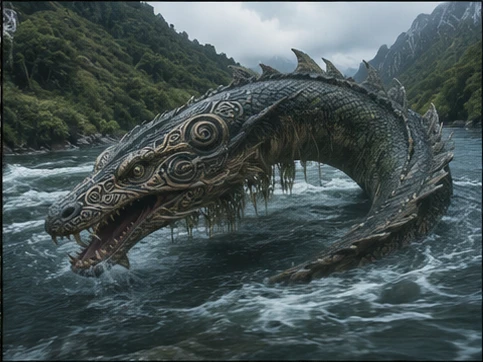
Discover Mythical Creatures from Around the World
Discover 99 legendary beings from 15 mythology and folklore traditions, including Greek, Norse, Japanese, Chinese, Celtic, and Egyptian stories. Choose a tradition or discover a surprise from around the world.
Each creature has its own origins, appearance, and story. Follow the links beside the results to explore different versions of the legends and learn where they came from.
These are creatures from traditional stories, not new characters invented by AI. If you would rather create an original animal hybrid, try the Tuimiz Random Animal Generator.
How Are Mythical Creatures Selected?
Choose one or more mythologies, or leave the selection empty for a surprise. Click Generate to discover creatures from those traditions. Each group contains different creatures, and the generator tries not to repeat your most recent picks.
Are All Mythical Creatures Described the Same Way in Every Tradition?
No. A creature may look or behave differently across places and stories. For example, Greek and Egyptian sphinxes share some features but play different roles in their traditions. Explore the linked sources to learn about these variations.
How to Generate Random Mythical Creatures
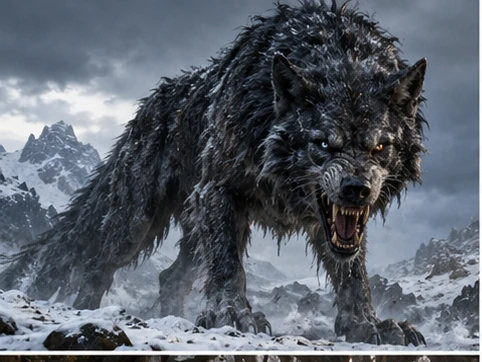
Looking for a creature to draw, write about, or use in a game? Discover a Greek guardian, a Norse wolf, a Japanese fox spirit, or a legendary Chinese beast in just a few clicks.
- Choose one or more mythologies, or leave the selection empty for a surprise.
- Pick how many creatures you want: 1, 2, 3, 5, or 10.
- Click Generate to see your creatures. Each group contains different creatures.
- Read their stories, copy the names, share your results, or try again.
Need an original hybrid built from animal body parts instead of traditional lore? Switch to the Tuimiz Random Animal Generator. Looking for real animals with photos? Start on the Random Animal Generator homepage.
Popular Mythical Creatures & Their Origins
Start with some of the best-known creatures from mythology and folklore. Discover what makes each one memorable, and follow the links to explore its story.
Greek
Cerberus
Guardian creature
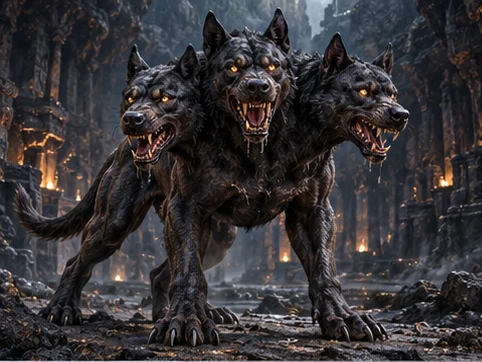
A multi-headed hound associated with guarding the entrance to the Greek underworld.
Imagine a three-headed guardian standing watch at the gates of the underworld.
Learn more: Theoi: Cerberus / KerberosGreek
Hydra
Beast
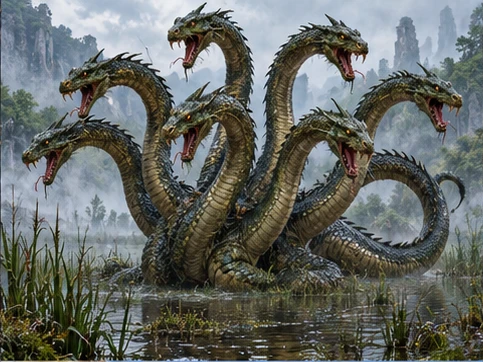
A many-headed water serpent of Lerna, famous for regenerating heads when one is cut off.
Classical sources disagree on the Hydra's exact number of heads. Lerna and Heracles' battle are central, but a single head count should not be treated as universal.
A many-headed serpent whose legendary regeneration makes it a formidable challenge.
Learn more: Theoi: Lernaean HydraGreek
Pegasus
Beast
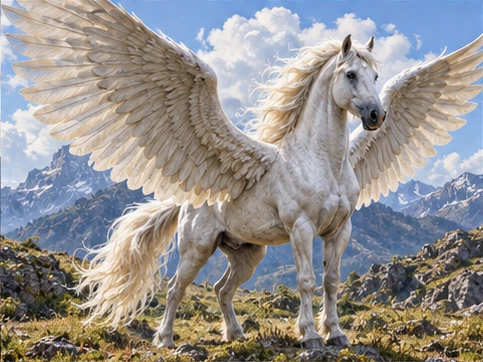
An immortal winged horse that springs from Medusa's blood and later serves as Bellerophon's mount.
A winged horse that brings flight and adventure to Greek heroic stories.
Learn more: Theoi: PegasusJapanese
Kitsune
Spirit
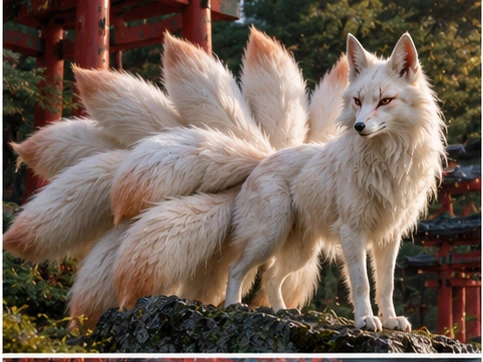
A fox spirit that grows wiser and more powerful with age, sometimes serving Inari.
Stories about fox spirits vary across Japan. Inari-associated fox imagery and shape-shifting trickster stories are related contexts, not identical descriptions of every kitsune.
A fox spirit that may bring mystery, mischief, or wisdom to a story.
Learn more: The Met: Fox Spirit as a Traveling MonkChinese
Qilin
Beast
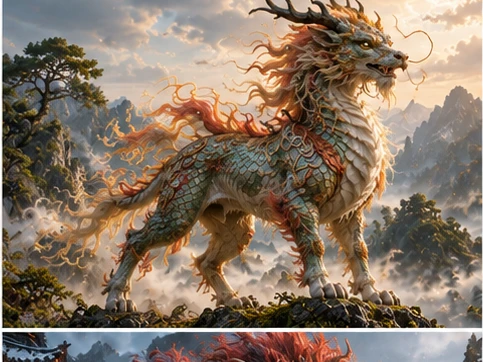
A gentle hooved chimera whose appearance signals sage rulers or the birth of great persons.
Qilin art and attributes vary by period and medium. The English label 'Chinese unicorn' only approximates this composite auspicious being.
A gentle legendary creature often associated with good fortune and wise rule.
Learn more: The Met: Qilin in Chinese ArtExplore 6 more creatures
Chinese
Fenghuang
Beast
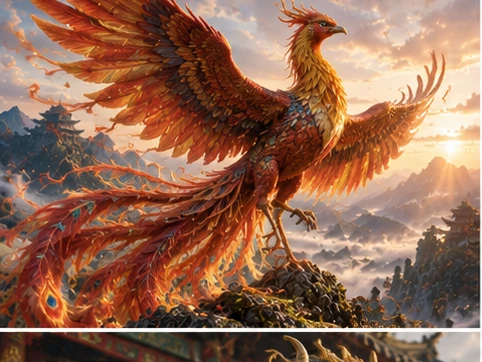
An auspicious bird of virtue that appears in peaceful, well-ordered times.
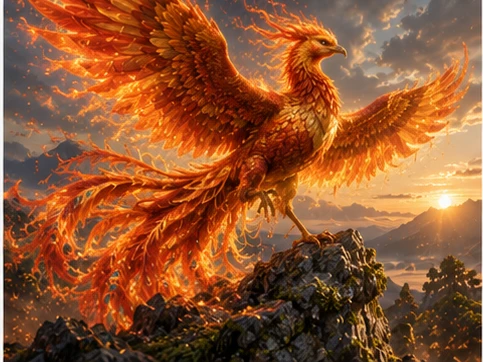
Often translated 'Chinese phoenix', the fenghuang has different cultural associations from the classical phoenix that dies and rises from ashes.
A magnificent bird associated with harmony and virtue in Chinese tradition.
Learn more: The Met: Five Phoenixes in a GardenGreek · Egyptian
Sphinx
Hybrid creature
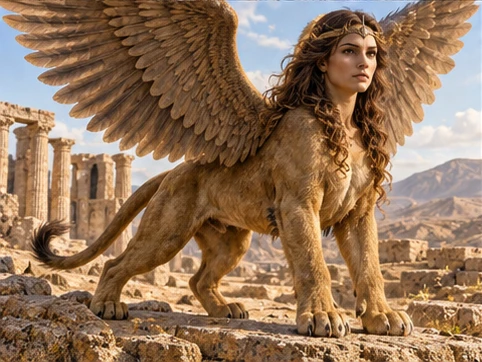
A riddling guardian with a human head and a lion's body; the Greek Sphinx also has wings.
Greek and Egyptian sphinxes share a lion-bodied form, but their stories differ. Egyptian sphinxes often appear as male royal guardians in monumental art, while the Greek Sphinx of Thebes is a winged female figure who challenges travelers with a riddle.
Compare the riddle-loving Greek Sphinx with the royal guardian imagery of ancient Egypt.
Learn more: The Met: Greek SphinxHebrew
Leviathan
Beast
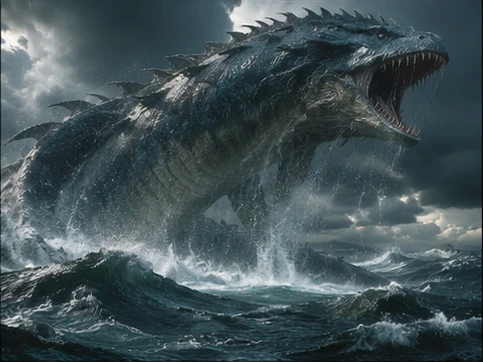
A vast primeval sea creature in the Hebrew Bible, evoked as an untamable power of the deep.
Leviathan appears in Hebrew biblical poetry and later Jewish interpretation. Other ancient Near Eastern stories also feature powerful sea serpents, but these figures come from distinct traditions.
A fearsome sea creature that appears in the poetic imagery of the Hebrew Bible.
Learn more: Encyclopedia of the Bible: LeviathanOceanic
Taniwha
Guardian creature
Powerful beings of Māori tradition that dwell in deep waters, caves, or currents as protectors or dangers.
Taniwha are closely tied to specific Māori communities, waterways, and oral histories. Some protect places or people, while others are dangerous; neither role applies to every account.
In Māori traditions, a taniwha may protect a place or pose a danger to those nearby.
Learn more: Te Ara: TaniwhaMythologies & Folklore
Explore creatures from different parts of the world. Choose Greek mythology for legendary monsters, Japanese folklore for yōkai, or another tradition to discover something new.
Greek mythology
Creatures from ancient Greek myth, including guardians, hybrids, and monsters of the Mediterranean world.
Examples: Cerberus, Hydra, Minotaur.
20 creatures
Norse mythology
Beings from Norse myth and the wider Germanic tradition, from world-serpents to fate-bound wolves.
Examples: Fenrir, Jörmungandr, Sleipnir.
10 creatures
Japanese mythology
Yōkai, sacred animals, and other figures from Japanese folklore and Shinto-linked tradition.
Examples: Kitsune, Tengu, Kappa.
11 creatures
Chinese mythology
Auspicious beasts and legendary animals from Chinese mythology and classical texts.
Examples: Chinese Dragon, Fenghuang, Qilin.
9 creatures
Celtic mythology
Creatures from Irish, Scottish, and wider Celtic folklore, including water spirits and omen-bringers.
Examples: Banshee, Púca, Selkie.
8 creatures
Slavic mythology
Forest spirits, water beings, and household guardians from Slavic folk belief.
Examples: Leshy, Rusalka, Domovoy.
7 creatures
More mythologies & folklore (9)
Egyptian mythology
Composite beings and sacred animals tied to ancient Egyptian religion and funerary lore.
Examples: Sphinx, Phoenix, Ammit.
7 creatures
Mesopotamian mythology
Monsters and protective figures from Sumerian, Akkadian, and Babylonian tradition.
Examples: Serpopard, Anzû, Mušḫuššu.
6 creatures
Hebrew mythology
Legendary beings from the Hebrew Bible and related Jewish textual tradition.
Examples: Leviathan.
1 creatures
Hindu mythology
Divine mounts, serpents, and legendary animals from Hindu epics and Puranic lore.
Examples: Garuda, Shesha, Makara.
5 creatures
Persian mythology
Legendary birds and beasts from Iranian and wider Persianate storytelling.
Examples: Simurgh, Roc, Manticore.
4 creatures
Mesoamerican mythology
Feathered serpents and other beings from Aztec, Maya, and related Mesoamerican traditions.
Examples: Cipactli, Ahuizotl, Camazotz.
4 creatures
Korean mythology
Guardian animals and mountain spirits from Korean folklore.
Examples: Haetae, Gumiho, Imugi.
3 creatures
Filipino mythology
Creatures from Philippine lower mythology and regional folk belief.
Examples: Aswang, Manananggal, Tikbalang.
4 creatures
Oceanic mythology
Sea and sky beings from Polynesian and other Oceanic oral traditions.
Examples: Taniwha, Mo'o, Manaia.
4 creatures
Looking for Japanese yōkai in particular? Choose the Japanese mythology option above — kitsune, tengu, and related figures are included there.
How Random Selection Works
Choose a mythology to decide which creatures you might discover, then click Generate for a random pick. If you share a result, someone else can open the same creatures using the link.
Each group contains different creatures. The generator also tries to avoid your most recent picks. Once you have seen most of the available creatures, familiar ones may appear again.
Are all mythologies equally likely?
Not always. Some mythologies have more creatures in the collection than others, so you may see them more often when you choose All. Choose a specific tradition to focus your results. A creature that belongs to two traditions still appears only once in each group.
Using Mythical Creatures for Art, Stories & RPGs
A mythical creature can spark an idea for a drawing, story, or RPG adventure. For animal drawing challenges, try the Drawing Prompt Generator, or visit the Tuimiz generator to invent a creature using different animal parts.
Sketch and concept art
Generate one creature and study the type, appearance notes, and abilities before you draw. Generate again when you want a fresh silhouette, or choose a mythology when you need Greek hybrids one day and Japanese yōkai the next.
Short stories and worldbuilding
Pick two or three creatures for a story: one might guard a hidden place, another might appear as an omen, and a third could surprise your characters on their journey.
Tabletop RPG encounters
Use a single draw for a random legendary foe, or five to ten creatures as a regional bestiary starter. Read the lore note, then adapt hit points and tactics to your system — the card is inspiration, not a finished stat block.
Classroom warm-ups
Invite students to compare creatures from different cultures, find their places of origin on a map, or retell a legend from a new point of view. Use the linked sources to explore the original stories.
Browse the Mythical Creature Library
Curious about every creature you might discover? Open a mythology below to explore its creatures, then choose that tradition in the generator above to pick one at random.
Greek (20)
- Cerberus
- Hydra
- Minotaur
- Chimera
- Pegasus
- Cyclops
- Sphinx
- Medusa
- Siren
- Griffin
- Phoenix
- Harpy
- Nemean Lion
- Scylla
- Charybdis
- Satyr
- Centaur
- Talos
- Basilisk
- Unicorn
Norse (10)
- Fenrir
- Jörmungandr
- Sleipnir
- Níðhöggr
- Ratatoskr
- Huginn and Muninn
- Fafnir
- Garmr
- Draugr
- Kraken
Japanese (11)
- Kitsune
- Tengu
- Kappa
- Bakeneko
- Oni
- Yatagarasu
- Kirin
- Raijū
- Tanuki
- Yamata no Orochi
- Bai Ze
Chinese (9)
- Chinese Dragon
- Fenghuang
- Qilin
- Bai Ze
- Pixiu
- Nian
- Huli Jing
- Taotie
- Xiezhi
Celtic (8)
- Banshee
- Púca
- Selkie
- Kelpie
- Dullahan
- Each-uisge
- Cù-sìth
- Afanc
Slavic (7)
- Leshy
- Rusalka
- Domovoy
- Zmey Gorynych
- Kikimora
- Vodyanoy
- Firebird
Egyptian (7)
- Sphinx
- Phoenix
- Ammit
- Bennu
- Apep
- Uraeus
- Serpopard
Mesopotamian (6)
- Serpopard
- Anzû
- Mušḫuššu
- Lamassu
- Pazuzu
- Humbaba
Hebrew (1)
Hindu (5)
- Garuda
- Shesha
- Makara
- Airavata
- Vasuki
Persian (4)
Mesoamerican (4)
- Cipactli
- Ahuizotl
- Camazotz
- Alux
Korean (3)
Filipino (4)
- Aswang
- Manananggal
- Tikbalang
- Kapre
Oceanic (4)
Where These Stories Come From
Mythical creatures often have different names, appearances, and stories across regions and time periods. The links beside each creature can help you explore these variations through historical texts, museums, and folklore collections.
Some categories bring together several distinct traditions. For example, the Oceanic group includes stories from different Pacific cultures, such as Māori and Hawaiian traditions. When drawing or retelling a story, take time to learn about its particular cultural origins.
Frequently Asked Questions
What is a mythical creature generator?
It is a free tool that chooses a legendary creature at random, from Greek monsters to Japanese fox spirits. Each result includes its name, origins, appearance, and a glimpse of the stories told about it.
How do I generate a random mythical creature?
Choose a mythology or leave the selection open for a surprise. Pick 1, 2, 3, 5, or 10 creatures, then click Generate. You can read about each creature, copy the names, share your results, or generate another group.
Can I choose creatures from Greek or Norse mythology?
Yes. Choose Greek, Norse, Japanese, Chinese, Celtic, Slavic, Egyptian, or another tradition. Leave the selection empty to discover creatures from around the world. Some legendary beings appear in stories from more than one culture.
Does this generator create original creatures with AI?
No. It chooses creatures from traditional myths and folklore rather than inventing new species. For an original animal hybrid, try the Tuimiz Random Animal Generator. To invent a fantasy name, use the Mythical Creature Name Generator.
Can I discover Japanese yōkai?
Yes. Choose Japanese to discover yōkai and other legendary figures from Japanese folklore, including kitsune and tengu. You can also choose more than one tradition to mix your discoveries.
Can I use the results for drawing or storytelling?
Absolutely. Pick a creature for inspiration in a drawing, short story, role-playing adventure, or classroom activity. Learn about its cultural origins if you are retelling a traditional story. The illustrations are modern artistic interpretations, not historical artifacts.
Related Animal Generators