
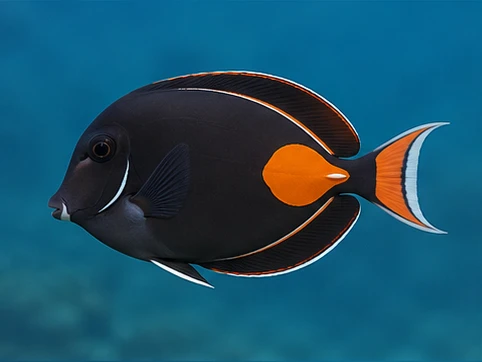
Achilles Tang
Acanthurus achilles
Fish
Habitat: Surge zones on Pacific coral reefs
Quick fact: It prefers strong wave action along outer reef slopes.
Animal Directory
Explore animal names alphabetically, from alligators and alpacas to wolves and zebras. Browse pictures and quick facts about mammals, birds, fish, reptiles, amphibians, and invertebrates. Find familiar favorites and lesser-known animals in one place.
591 animal names in this directory
Browse the animal listChoose a letter to see matching animals, or jump to the full A–Z name list below.
591 names found
Acanthurus achilles
Fish
Habitat: Surge zones on Pacific coral reefs
Quick fact: It prefers strong wave action along outer reef slopes.
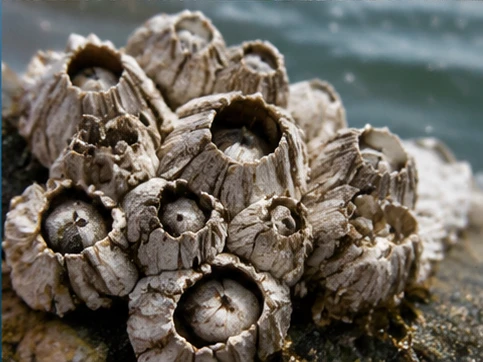
Semibalanus balanoides
Invertebrate
Habitat: Rocky intertidal shores
Quick fact: It closes protective plates tightly to survive exposure at low tide.
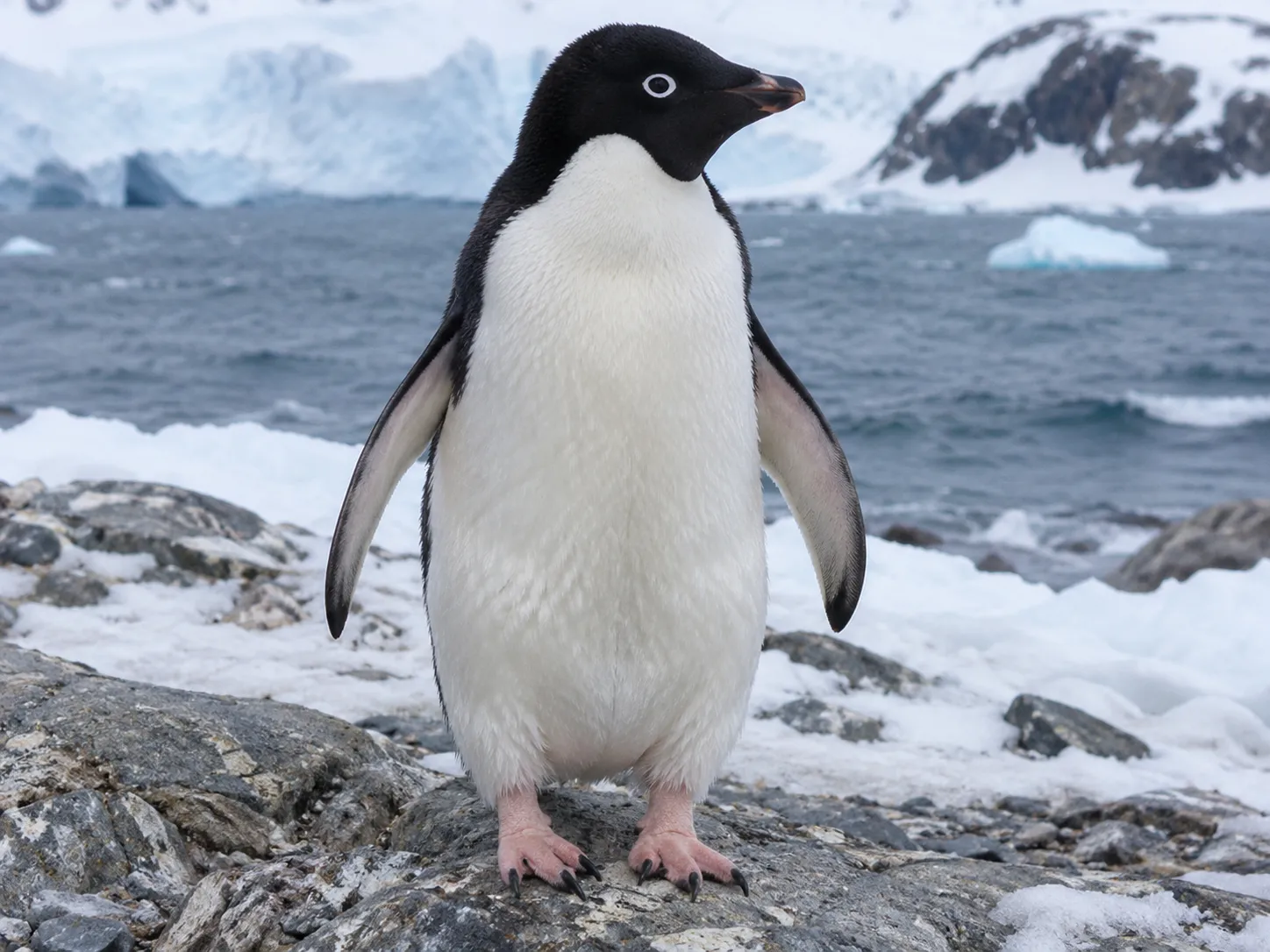
Pygoscelis adeliae
Bird
Habitat: Ice-free rocky nesting sites along Antarctic coasts and nearby sea ice
Quick fact: Adélie Penguins build nests from pebbles gathered near their breeding colonies.
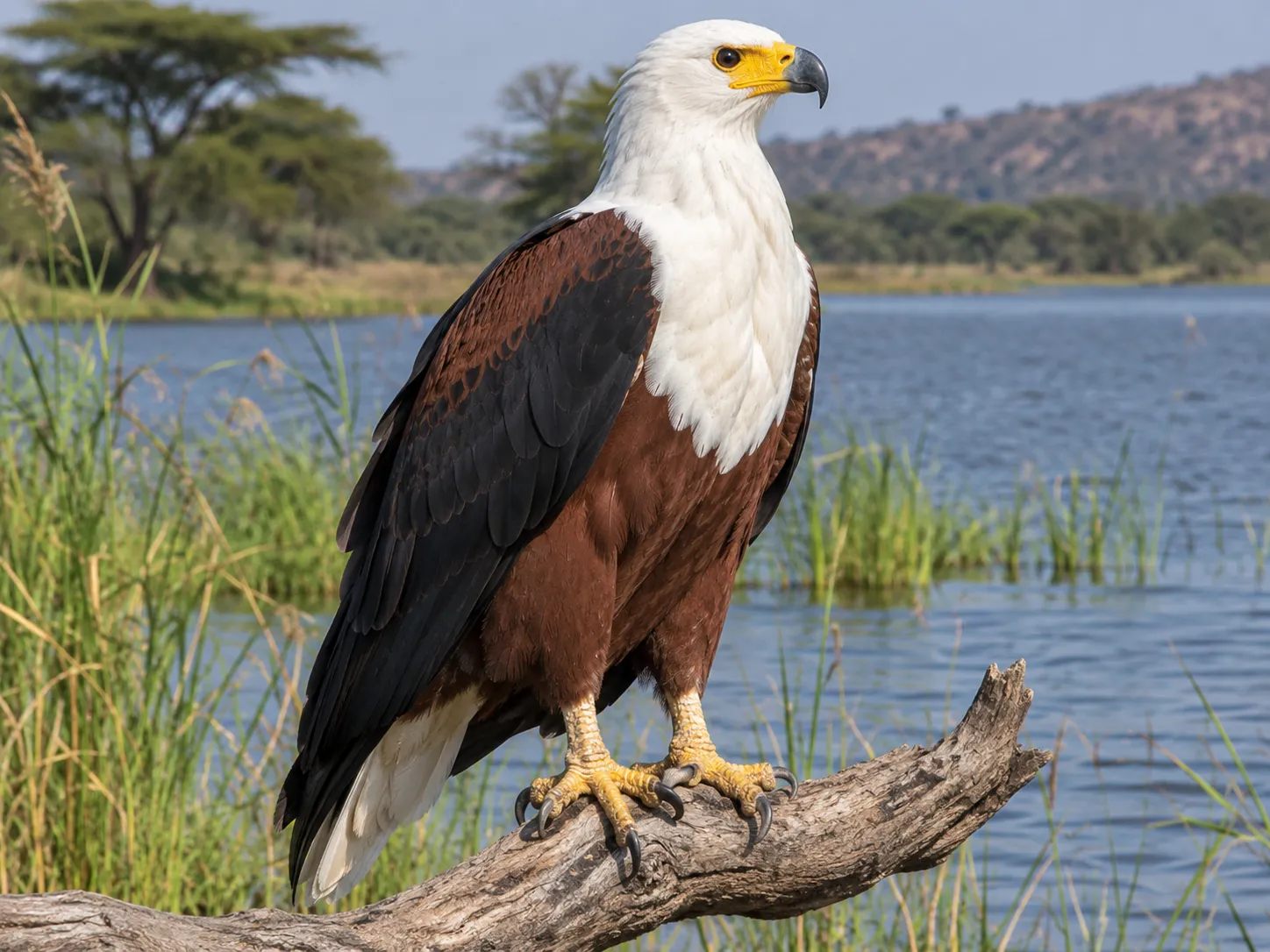
Icthyophaga vocifer
Bird
Habitat: Large lakes, rivers, wetlands, and reservoirs across sub-Saharan Africa
Quick fact: African Fish-Eagles have a ringing call and often snatch fish from the water with their talons.
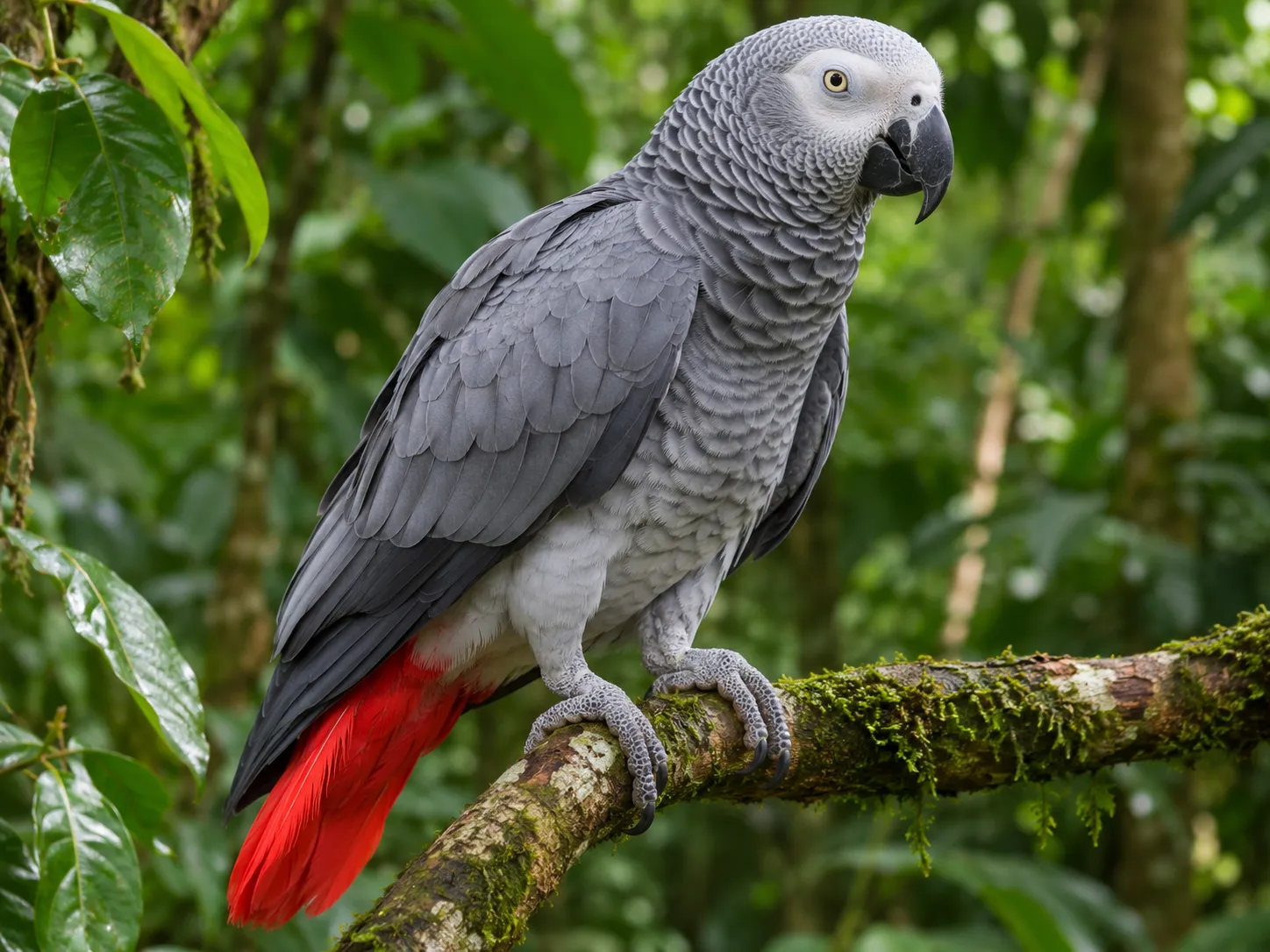
Psittacus erithacus
Bird
Habitat: Tropical lowland forests and forest edges of central and western Africa
Quick fact: African Grey Parrots use a variety of calls to communicate with one another in social flocks.
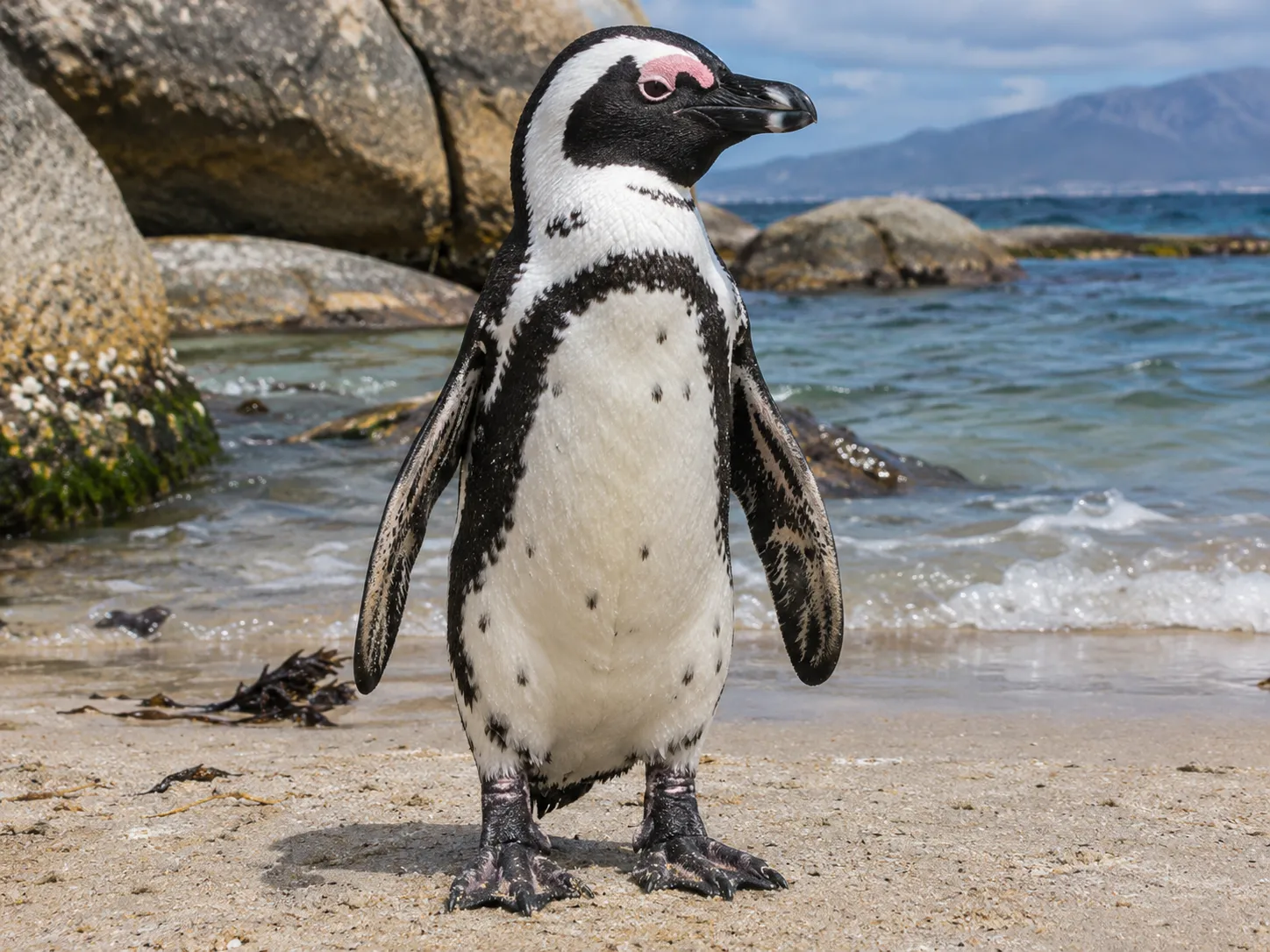
Spheniscus demersus
Bird
Habitat: Rocky shores and offshore breeding islands of Namibia and South Africa
Quick fact: African Penguins make loud braying calls, giving them the nickname jackass penguins.
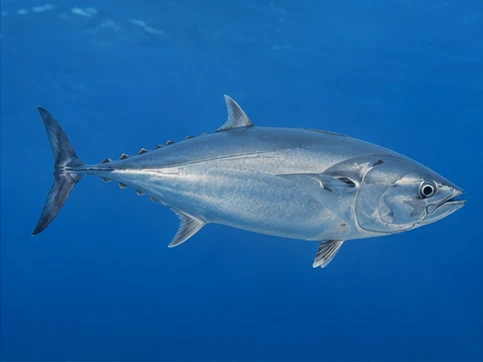
Thunnus alalunga
Fish
Habitat: Temperate and tropical open oceans
Quick fact: Albacore meat is often marketed as white tuna.
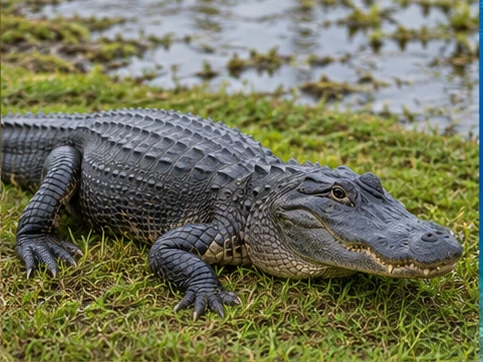
Alligator
Reptile
Habitat: Freshwater swamps and marshes
Quick fact: Alligators build nests from plants and mud.
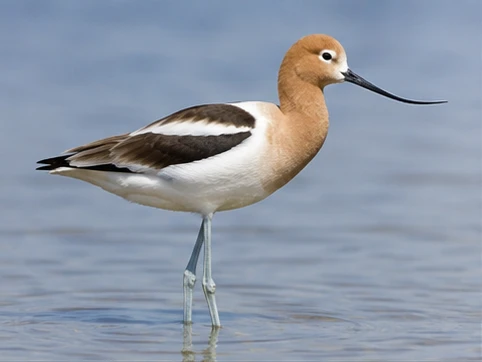
Recurvirostra americana
Bird
Habitat: Shallow saline lakes and wetlands
Quick fact: American avocets sweep their curved bills side to side through shallow water.
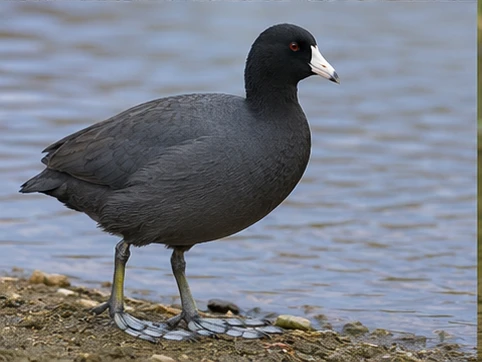
Fulica americana
Bird
Habitat: Ponds, marshes, and lakes with vegetation
Quick fact: American coots have lobed toes instead of fully webbed feet.
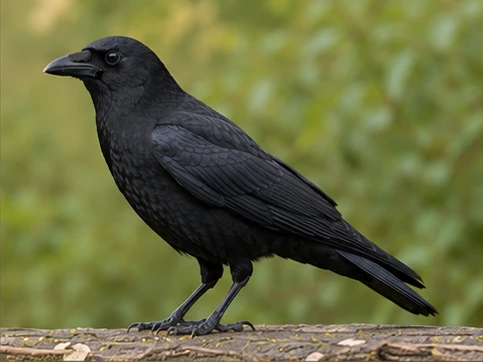
Corvus brachyrhynchos
Bird
Habitat: Towns, farmland, woods, and open country
Quick fact: American crows hold funerals of a sort, gathering around dead crows.
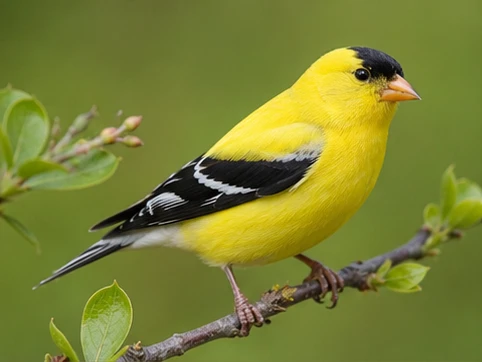
Spinus tristis
Bird
Habitat: Fields, meadows, and weedy edges
Quick fact: American goldfinches nest later than many songbirds, after thistle seeds become abundant.
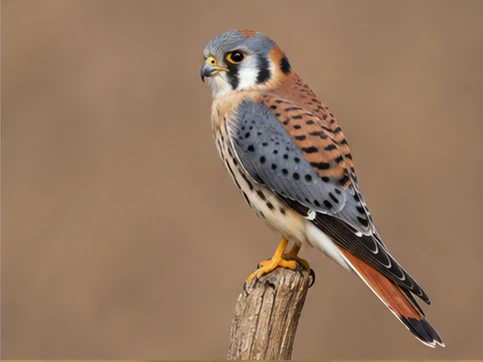
Falco sparverius
Bird
Habitat: Open fields, roadsides, and parks
Quick fact: American kestrels often hover in place while scanning the ground for prey.
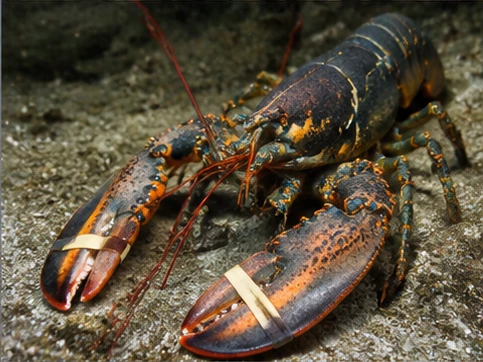
Homarus americanus
Invertebrate
Habitat: Rocky coastal seabeds
Quick fact: Its two large claws specialize in crushing and cutting.
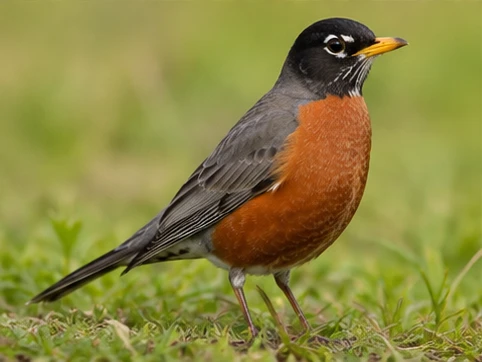
Turdus migratorius
Bird
Habitat: Lawns, parks, woodlands, and gardens
Quick fact: American robins can raise several broods in a single breeding season.
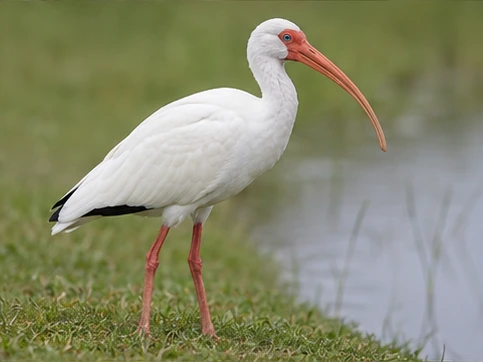
Eudocimus albus
Bird
Habitat: Coastal marshes, mudflats, and wetlands
Quick fact: American white ibises probe soft mud with sensitive curved bills.
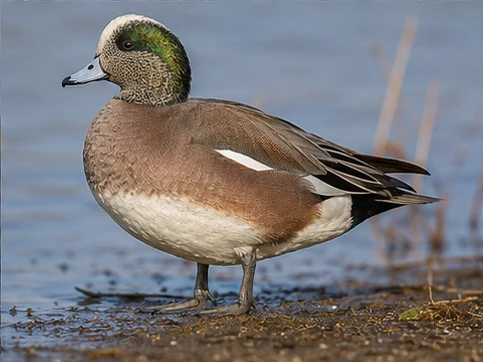
Mareca americana
Bird
Habitat: Marshes, ponds, and wet grasslands
Quick fact: American wigeons sometimes follow diving ducks and snatch plants they bring up.
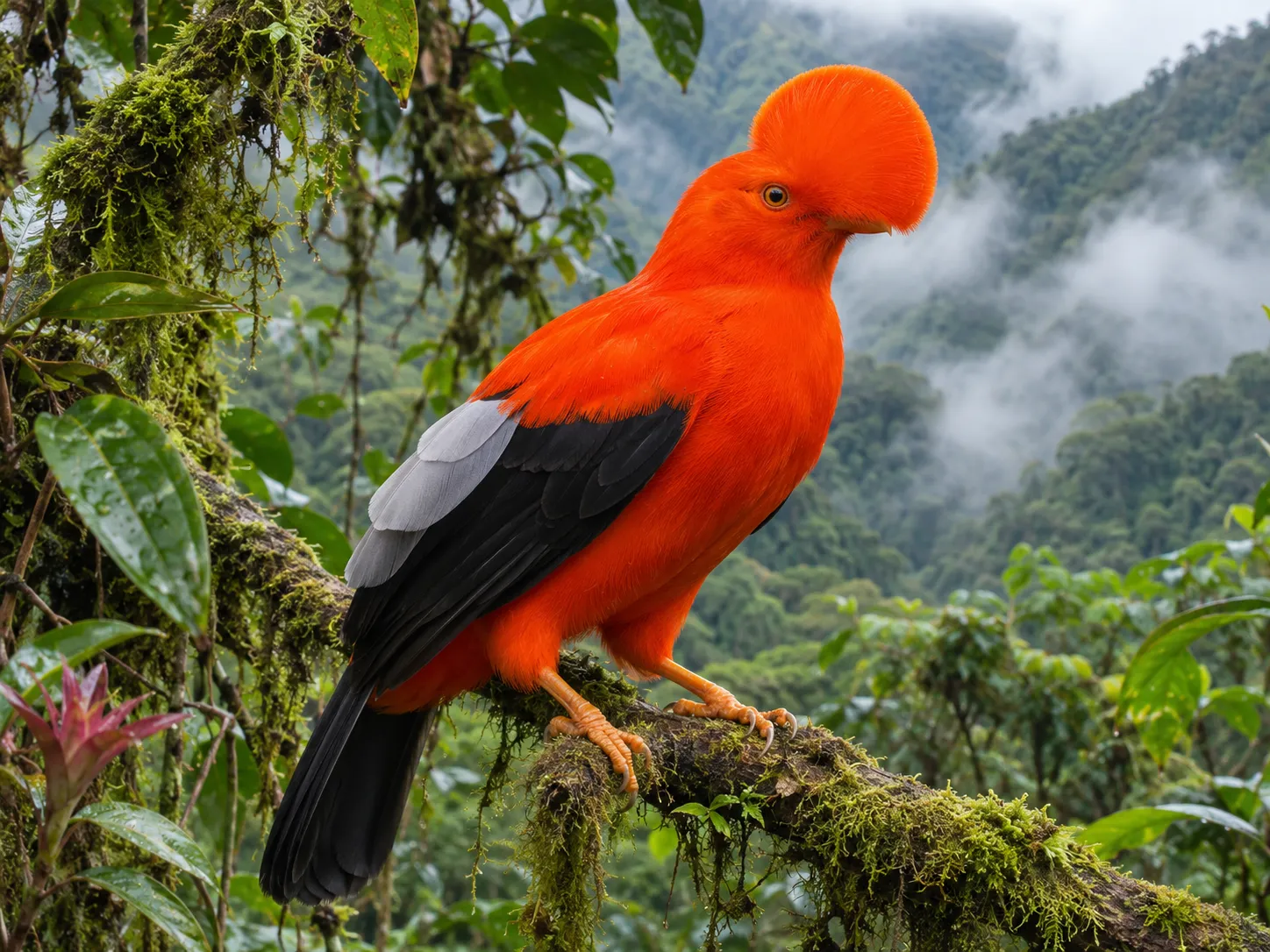
Rupicola peruvianus
Bird
Habitat: Humid Andean cloud forests and steep wooded ravines
Quick fact: Male Andean Cocks-of-the-rock gather at display sites where they compete for the attention of females.
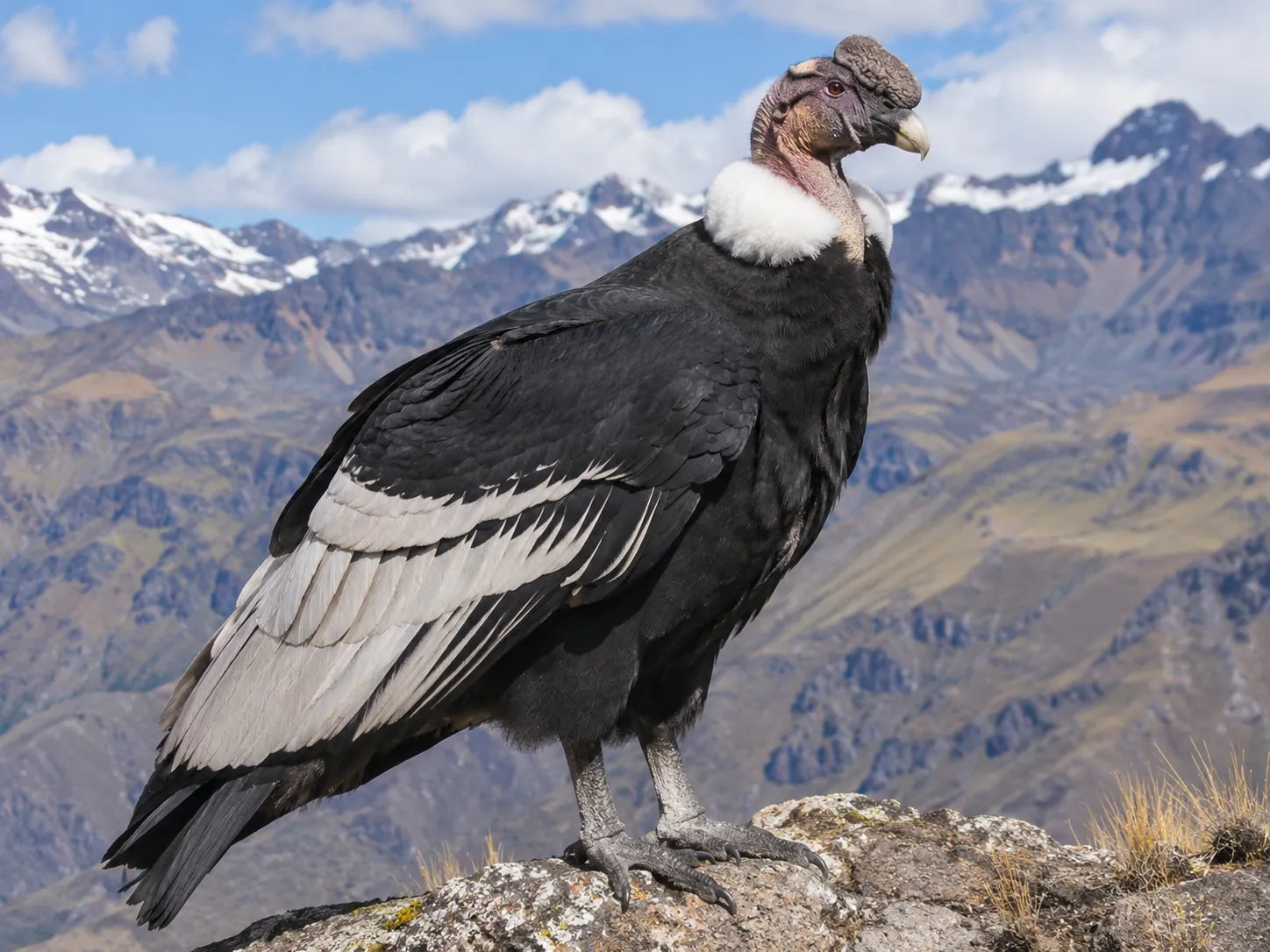
Vultur gryphus
Bird
Habitat: High Andean mountains, rocky cliffs, and open uplands
Quick fact: Andean Condors can travel long distances on rising air currents with very little wing flapping.
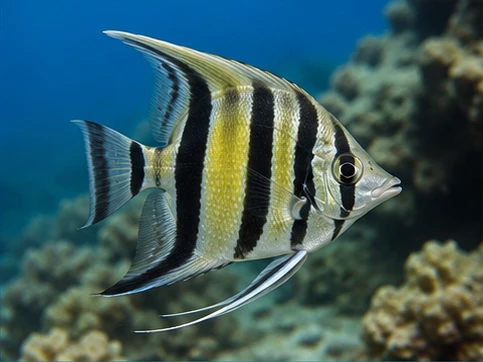
Fish
Habitat: Rivers and aquariums
Quick fact: Freshwater angelfish are related to cichlids.
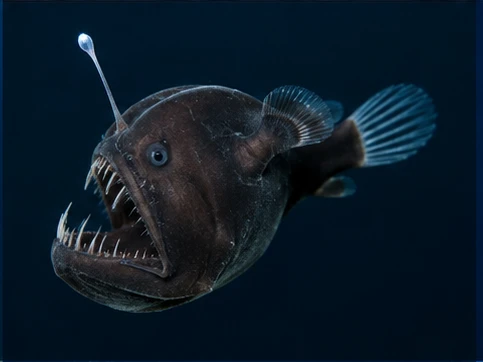
Lophius piscatorius
Fish
Habitat: Sandy and muddy seafloors from coast to deep water
Quick fact: Deep-sea relatives may use glowing lures in perpetual darkness.
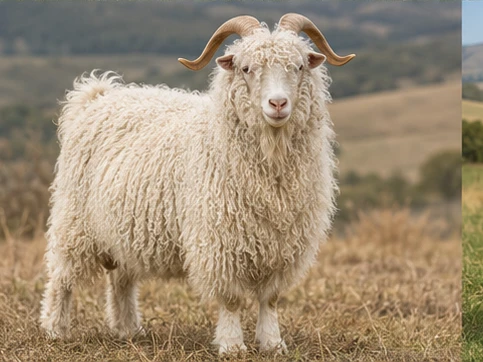
Capra aegagrus hircus
Mammal
Habitat: Dry farms, rangelands, and fiber farms
Quick fact: Angora goats produce mohair, a soft and shiny fiber.
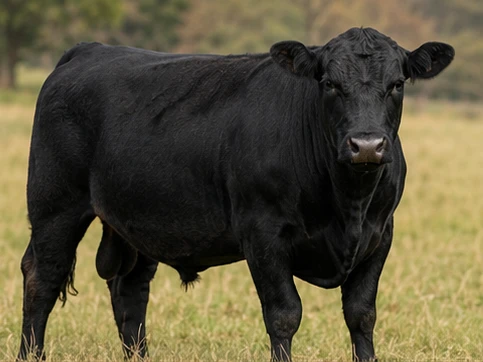
Bos taurus
Mammal
Habitat: Pastures, ranches, and grasslands
Quick fact: Angus cattle are naturally polled, meaning many are born without horns.
Find animal names from A to Z below. The list follows everyday English names, so Emperor Penguin appears under E and Red Panda under R. For pictures, habitats, and interesting facts, explore the animal cards above.
Find names such as cat, dog, emu and koi with pictures, quick facts and spelling clues.
Explore three-letter animalsLooking up a name for a school activity, a wildlife fact, or an animal you just saw? Start with the first letter of its common English name. You can also search for part of a name or a scientific name, then narrow the results by animal group.
Choose A for animals such as Axolotl, or E for Elephant. The letters above filter this page; the alphabetical index also lets you jump directly to each list.
Type a name into the search box, or select Birds, Fish, Mammals, and other animal types. Search and filters work together.
Each animal card shows a picture, habitat, and a quick fact. Choose Learn more for further reading, or explore a full animal facts page when one is available.
Animals can also be explored by type. For example, whales are mammals, sea turtles are reptiles, and jellyfish are invertebrates—even though all three live in the sea.
Mammals are vertebrates that generally have hair or fur and feed their young with milk. This group includes lions, dolphins, bats, and whales.
114 names in this directory
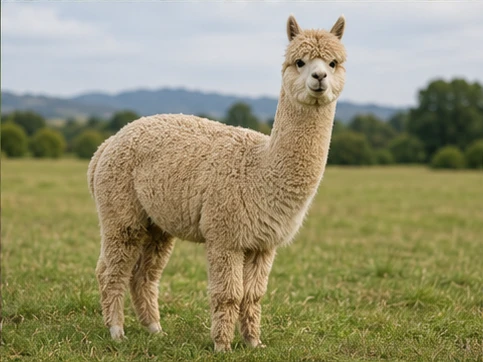
Examples: Alpaca, Angora Goat, Angus Cattle.
Birds are feathered vertebrates with beaks. Many fly, but penguins and ostriches show how varied birds can be.
160 names in this directory
Examples: Adélie Penguin, African Fish-Eagle, African Grey Parrot.
Fish are aquatic vertebrates that usually breathe through gills. You'll find both freshwater and ocean fish here.
226 names in this directory
Examples: Achilles Tang, Albacore, Angelfish.
Reptiles include snakes, turtles, lizards, and crocodilians. Most have scales and rely on external heat to regulate body temperature.
21 names in this directory
Examples: Alligator, Anole, Chameleon.
Amphibians include frogs, toads, salamanders, and newts. Many begin life in water and later spend time on land.
6 names in this directory
Examples: Axolotl, Frog, Newt.
Insects are six-legged arthropods with three main body sections. Examples include butterflies, ants, and beetles.
11 names in this directory
Examples: Ant, Bee, Beetle.
Other invertebrates lack a backbone. This broad category includes animals such as octopuses, crabs, jellyfish, and sea stars.
53 names in this directory
Examples: Acorn Barnacle, American Lobster, Antarctic Krill.
Common names are useful for everyday searching, while scientific names help distinguish animals whose English names differ across regions. Some familiar names refer to a group of related animals rather than a single species. When a scientific name is available, you'll see it alongside the English name.
| Animal name | Scientific name | Type | Habitat |
|---|---|---|---|
| Axolotl | Ambystoma mexicanum | Amphibian | Freshwater lakes and aquariums |
| Elephant | Not listed | Mammal | Savannas and forests |
| Nightingale | Luscinia megarhynchos | Bird | Woodlands, thickets, and gardens |
| Lion | Panthera leo | Mammal | Grasslands and savannas |
| Emperor Penguin | Aptenodytes forsteri | Bird | Antarctic sea ice and Southern Ocean |
| Great White Shark | Carcharodon carcharias | Fish | Coastal and offshore temperate waters |
No. You can explore many familiar and unusual animals here, but there are far more animals in the world than any one list can show.
No. Alphabetical order follows the displayed common English name, such as Emperor Penguin under E. You can search for scientific names using the search box.
Yes. You'll find birds, freshwater fish, ocean fish, and other sea animals. Sea animals belong to different groups: dolphins are mammals, sea turtles are reptiles, and octopuses are invertebrates.
An animal may have different common names in different places. Other names, such as bear or shark, refer to a wider group of animals. That's why similar animals can appear under different names.
Yes. Use the Random Animal Generator for a surprise pick, or try the Random Bird Generator and Random Sea Animal Generator for more focused discovery.
This A–Z guide includes mammals, birds, fish, reptiles, amphibians, and invertebrates. Names are sorted by the English name shown on each card. A name may describe a single species or a larger group of related animals, and some animals are known by more than one name. This is a selection to explore, not a list of every animal on Earth. Want to learn more? Follow a card’s Learn more link, or let us know if you spot an error.
Last updated November 20, 2026.